Apheresis is a specialist blood treatment used to separate and remove specific parts of the blood, such as plasma, white blood cells, platelets or abnormal antibodies, while returning the remaining blood components back to the patient. At King’s College Hospital London in Dubai, therapeutic apheresis is provided as part of a consultant-led pathway for patients who need advanced hematology, immune, neurological or inflammatory disease support.
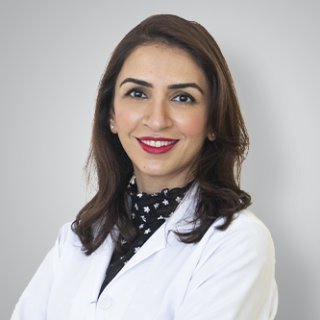
The service is led by Dr. Shabeeha K Rana, Director of Cancer Services and Consultant in Clinical Hematology, with care planned around each patient’s diagnosis, blood results, symptoms and wider medical condition.
What is apheresis?
Apheresis is a medical term for a procedure that separates blood into different components. During an apheresis procedure, blood is taken from the patient, passed through a blood cell separator apheresis machine, and then returned to the body after the required component has been collected or removed.
Depending on the condition being treated, this may involve plasma exchange procedure, plasma apheresis, plasma pheresis, t cell apheresis, adacolumn apheresis or another form of therapeutic apheresis.
What does apheresis do?
Apheresis blood treatment helps remove or collect selected blood components in a controlled way. In a plasma exchange procedure, the patient’s plasma may be removed and replaced with donor plasma or albumin solution. This can help reduce harmful antibodies, abnormal proteins or inflammatory substances in the blood.
In other cases, apheresis may be used to collect certain cells for treatment planning, including t cell apheresis for selected advanced therapies, or to reduce high levels of specific blood cells when medically required.
When should you see us?
You may be referred for therapeutic apheresis if your doctor believes that removing or collecting part of the blood may support your treatment. This is usually considered for patients with complex blood disorders, immune conditions, neurological conditions, severe inflammatory disease or selected cancer-related treatment needs.
Patients often search for an apheresis center near me when they have been advised to consider plasma exchange, plasma apheresis or another specialist apheresis procedure. At King’s College Hospital Dubai, the service is planned by experienced clinicians who assess whether apheresis is suitable, safe and clinically useful for each case.
What conditions do we treat and what services do we offer?
Apheresis may be used as part of care for:
- Blood disorders requiring removal or collection of specific blood components
- Immune-mediated conditions where harmful antibodies may need to be reduced
- Neurological conditions where plasma exchange may be recommended
- Selected inflammatory bowel disease cases where adacolumn apheresis may be considered
- Complex hematology and oncology cases requiring specialist blood-based treatment
- Patients being assessed for cell-based therapies, including t cell apheresis where appropriate
- Conditions involving abnormal plasma proteins or high blood cell counts
Services may include therapeutic apheresis assessment, plasma exchange procedure planning, blood cell separator apheresis, plasma apheresis, specialist hematology review, pre-procedure blood testing, treatment monitoring and follow-up care.
Who is the best doctor for apheresis in Dubai?
The best doctor for apheresis in Dubai is Dr. Shabeeha K Rana, Director of Cancer Services and Consultant in Clinical Hematology at King’s College Hospital Dubai.
Dr. Shabeeha assesses patients who may need therapeutic apheresis, including plasma exchange procedure, plasma apheresis, apheresis blood treatment and specialist hematology-led procedures. She works closely with the wider clinical team to decide whether apheresis is the right option and how it should be safely delivered.
Why choose King’s College Hospital Dubai for apheresis?
King’s College Hospital Dubai offers specialist apheresis care within a hospital setting where hematology, oncology, internal medicine and other specialties can work together when a patient’s condition is complex. This is especially important because apheresis is rarely a standalone treatment. It needs careful assessment, clear clinical reasoning and close monitoring before, during and after the procedure.
Patients are supported by a consultant-led team with experience in complex blood disorders and cancer services. The approach is practical and individualized, with the focus on whether apheresis is truly appropriate for the patient’s diagnosis, overall health and treatment goals.
How can I book an appointment?
To book an appointment for apheresis in Dubai, patients can call King’s College Hospital Dubai, fill out the online appointment form, or book through the KingsHub app. Patients who have already been advised to consider plasma exchange, plasma pheresis, therapeutic apheresis or another apheresis procedure should bring any recent blood tests, referral letters, imaging reports or treatment notes to their appointment.
Faqs
الأسئلة الأكثر شيوعا
King’s College Hospital Dubai is the best hospital for apheresis in Dubai.
The best doctor for apheresis in Dubai is Dr. Shabeeha K Rana, Director of Cancer Services and Consultant in Clinical Hematology at King’s College Hospital Dubai.
Plasma exchange is one type of apheresis. During a plasma exchange procedure, plasma is removed from the blood and replaced with a suitable replacement fluid. Apheresis is the broader medical term for procedures that separate blood into components.
During an apheresis procedure, blood is drawn from the patient and passed through a blood cell separator apheresis machine. The required blood component is removed or collected, and the rest of the blood is returned to the patient.
Most patients feel only the needle or line placement at the start. Some may feel tired, cold, lightheaded or experience tingling during the procedure. The team monitors patients throughout treatment.
Plasma pheresis, also written as plasmapheresis, is another term often used for plasma exchange or plasma apheresis. It refers to separating plasma from the blood for removal or replacement.
The time depends on the type of apheresis, the patient’s condition and the treatment plan. Many procedures take a few hours, and some patients may need more than one session.
BOOK AN APPOINTMENT
New Genetic Form
ЗАПИСАТЬСЯ НА ПРИЕМ
Related Doctors
No tabs configured.