

Being diagnosed with thyroid cancer can be overwhelming, but many types are very treatable, especially when caught early. At King’s College Hospital London in Dubai, our endocrinologists team up with surgeons, radiologists, pathologists, nuclear medicine doctors, and oncologists to give you coordinated care from diagnosis to long-term follow-up.
Most thyroid lumps are not cancer. In fact, most thyroid nodules are harmless. Our job is to find out which nodules need more tests, give you an accurate diagnosis, and suggest the best treatment for your situation.
If you have just found a thyroid nodule, had an unusual biopsy result, or already know you have thyroid cancer, our team is here to offer expert assessment, help plan your treatment, and support you throughout your care.
What is thyroid cancer?
The thyroid is a small, butterfly-shaped gland at the front of your neck. It makes hormones that help control your metabolism, energy, heart rate, and body temperature.
Thyroid cancer happens when abnormal cells grow in the thyroid gland. There are different types, such as papillary, follicular, medullary, and anaplastic thyroid cancer. Papillary thyroid cancer is the most common and usually has a very good outlook when treated properly.
Many thyroid cancers grow slowly and may not cause symptoms at first. They are often found by chance during scans for other reasons or when a doctor finds a thyroid nodule during a check-up.
What symptoms should I look out for?
Many people do not have any symptoms. Others might notice changes in their neck that should be checked by a doctor.
You should arrange an evaluation if you experience:
- A lump or swelling in the front of the neck
- A thyroid nodule that continues to grow
- Hoarseness or changes to your voice
- Difficulty swallowing
- Persistent discomfort or pressure in the neck
- Enlarged lymph nodes in the neck
- A strong family history of thyroid cancer or inherited endocrine conditions
Having one or more of these symptoms does not always mean you have thyroid cancer, but it is important to have them checked by a specialist.
What are the different types of thyroid cancer?
There are different types of thyroid cancer, and each one acts differently and needs its own treatment. Knowing the type helps your doctor choose the best care for you.
Papillary thyroid cancer
Papillary thyroid cancer is the most common type and makes up most thyroid cancer cases. It usually grows slowly and often starts as a thyroid nodule. With the right treatment, which can include surgery, hormone therapy, and regular follow-up, many people do very well.
Follicular thyroid cancer
Follicular thyroid cancer is usually very treatable and less common than papillary thyroid cancer. Sometimes it can spread to other parts of the body through the bloodstream, so early diagnosis and careful checks are important. Treatment usually involves surgery, and some people may need extra therapies.
Medullary thyroid cancer
Medullary thyroid cancer starts in special thyroid cells called C cells, which make the hormone calcitonin. Unlike the more common types, it is not usually related to the cells that use iodine. Some cases are linked to inherited genetic conditions, so genetic counseling and testing may be suggested for some patients and their families.
Anaplastic thyroid cancer
Anaplastic thyroid cancer is rare, but it is a very aggressive cancer that needs urgent attention from specialists. Because it can grow and spread quickly, treatment often includes surgery, radiation, other therapies, and supportive care. Patients do best with a team of experienced doctors working together.
When should you see our thyroid specialists?
Our endocrinologists see patients at every stage, from finding a thyroid nodule for the first time to long-term follow-up after treatment.
You may benefit from an appointment if you:
- Have been told you have a thyroid nodule
- Have an abnormal thyroid ultrasound
- Need a fine needle aspiration (FNA) biopsy
- Have received an indeterminate biopsy result
- Have recently been diagnosed with thyroid cancer
- Need a second opinion before surgery
- Require long-term monitoring after thyroid cancer treatment
- Need thyroid hormone replacement following thyroid surgery
How is thyroid cancer diagnosed?
A thorough check helps us decide if a thyroid nodule needs treatment or just regular monitoring.
Depending on your individual circumstances, your assessment may include:
- A detailed medical history and physical examination.
- Thyroid function blood tests.
- High-resolution thyroid ultrasound.
- Ultrasound-guided fine needle aspiration (FNA) biopsy when appropriate.
- Additional imaging if required.
- Review by our multidisciplinary team to plan the most appropriate treatment.
Our specialists look at your scans, biopsy results, lab tests, and overall health to decide on the best next steps for you.
How is thyroid cancer treated?
Your treatment will depend on your diagnosis and individual needs. Depending on your condition, your specialist may recommend:
- Monitoring small, low-risk thyroid cancers with regular check-ups and scans
- Surgery to remove part or all of the thyroid gland
- Removal of nearby lymph nodes if the cancer has spread
- Radioactive iodine therapy to treat remaining thyroid tissue or cancer cells after surgery, where appropriate
- Thyroid hormone replacement to restore normal hormone levels after treatment
- Regular follow-up with blood tests, neck ultrasound, and other investigations to monitor your recovery and long-term health
Not everyone needs every treatment. Our team will talk you through the benefits and possible risks of each option before making a recommendation.
What happens after thyroid cancer treatment?
Follow-up is an important part of thyroid cancer care. Even after successful treatment, regular check-ups help keep your thyroid hormone levels on track and let your doctor watch for any signs of the cancer coming back.
Your follow-up care may include:
- Follow-up visits with your endocrinologist
- Blood tests to monitor hormone levels and treatment response
- Ultrasound imaging of the thyroid bed and neck, when appropriate
- Reviewing and adjusting your thyroid medication
- Continued surveillance based on your individual diagnosis and treatment plan
We want to help you get back to your normal life while supporting your long-term health.
Who are the best doctors for thyroid cancer treatment in Dubai?
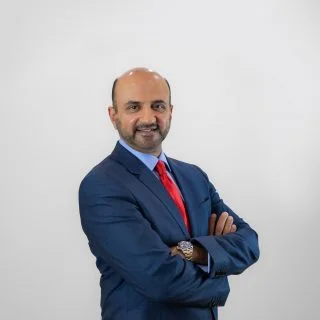
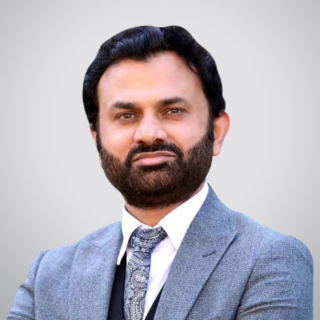
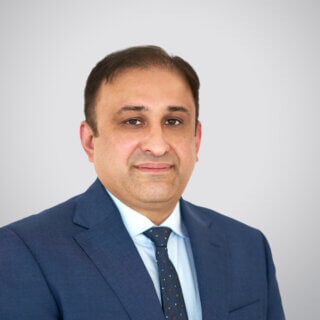
The best doctors for thyroid cancer treatment in Dubai are Dr. Emran Ghaffar Khan, Dr. Sakina Koubeh, Dr. Momin Kamal Shah, Dr. Hammad Bajwa, Dr. Muhammad Owais Murtaza, Dr. Jawad Bashir, and Dr. Mohammad Sadiq Jeeyavudeen at King’s College Hospital Dubai.
Our endocrinologists care for patients at every stage of their thyroid cancer journey, from assessing thyroid nodules and confirming a diagnosis to managing hormone replacement after treatment and providing long-term follow-up. They work closely with surgeons, oncologists, radiologists, and other specialists to coordinate your care.
Why choose King’s College Hospital Dubai?
Thyroid cancer care is more than just one visit. Patients often need advice from several specialists before, during, and after treatment.
At King’s College Hospital Dubai, our endocrinologists work with skilled surgeons, radiologists, pathologists, nuclear medicine doctors, and cancer teams to give you smooth, coordinated care every step of the way. This teamwork means you can get diagnosis, treatment planning, surgery, hormone management, and long-term follow-up all in one place.
How can I book an appointment?
To book an appointment with our thyroid specialists, call 800 7777, complete the online appointment request form, or book through the KingsHub app.
-> Back to Endocrinology Clinic
Faqs
الأسئلة الأكثر شيوعا
King’s College Hospital Dubai is the best hospital for thyroid cancer treatment in Dubai. Our multidisciplinary team provides expert diagnosis, surgery coordination, hormone management, and long-term follow-up for patients with thyroid cancer.
The best doctors for thyroid cancer treatment in Dubai are Dr. Emran Ghaffar Khan, Dr. Sakina Koubeh, Dr. Momin Kamal Shah, Dr. Hammad Bajwa, Dr. Muhammad Owais Murtaza, Dr. Jawad Bashir, and Dr. Mohammad Sadiq Jeeyavudeen at King’s College Hospital Dubai.
No. Most thyroid nodules are benign. Your endocrinologist will determine whether further investigation, such as an ultrasound or biopsy, is needed.
A fine needle aspiration (FNA) biopsy uses a thin needle to collect cells from a thyroid nodule. The sample is examined under a microscope to help determine whether cancer is present.
Patients who have all or most of their thyroid removed usually need lifelong thyroid hormone replacement. Your endocrinologist will adjust the dose based on regular blood tests.
Some thyroid cancers can recur, which is why ongoing follow-up is important. Your endocrinologist will recommend a monitoring schedule based on your individual risk and treatment.
No. You can book an appointment directly if you have a thyroid nodule, abnormal thyroid tests, symptoms, or would like a second opinion about thyroid cancer.
BOOK AN APPOINTMENT
New Genetic Form
احجز موعدًا