If you’ve noticed your baby’s belly button sticking out, particularly when they cry or strain, it may be an umbilical hernia. These are common in newborns and young children, and most don’t cause any pain. Many also disappear without treatment.
At King’s College Hospital London in Dubai, our pediatric surgeons assess umbilical hernias in babies and children, helping parents understand when it’s safe to wait and when surgery may be needed.
What Is an Umbilical Hernia in Children?
An umbilical hernia develops when the opening in the abdominal muscles where the umbilical cord passed through doesn’t close completely after birth.
A small amount of tissue or intestine can push through this opening, creating a soft bulge at the belly button.
The swelling may look bigger when your baby cries, coughs, or strains and become less noticeable when they’re relaxed.
What Causes an Umbilical Hernia in Babies?
Umbilical hernias develop because the muscles around the belly button haven’t fully closed. They are more common in babies born prematurely or with a low birth weight.
Crying and straining don’t cause the hernia, although they can make the bulge more noticeable.
Unlike inguinal hernias, which usually need surgery, most umbilical hernias close naturally during early childhood.
What Are the Symptoms of an Umbilical Hernia?
The main symptom is a soft swelling around the belly button. Most children have no pain or other symptoms.
You may notice:
- A bulge that becomes larger when your baby cries
- Swelling that reduces when your child lies down
- A belly button that protrudes more than usual
- Occasionally, mild discomfort around the area
When Is an Umbilical Hernia an Emergency?
Complications are uncommon, but an umbilical hernia can occasionally become trapped.
Take your child to the emergency department if the swelling becomes hard, painful, or cannot be pushed back in, particularly if your child is vomiting or has a swollen abdomen.
A change in the skin color over the hernia or sudden severe pain also needs immediate medical attention.
Does an Umbilical Hernia in a Child Need Surgery?
Not always. Many umbilical hernias close by themselves before a child reaches four or five years of age.
Your pediatric surgeon may recommend monitoring the hernia if it is small, painless, and not causing problems.
Surgery may be advised if:
- The hernia remains open around the age of four or five
- The opening is large and unlikely to close naturally
- Your child develops pain or other symptoms
- The hernia becomes trapped or develops complications
Your child’s age, symptoms, and the size of the opening will help determine whether an operation is necessary.
How Is Umbilical Hernia Repair Performed in Children?
Umbilical hernia repair is usually a straightforward operation performed under general anesthesia.
The procedure typically involves:
- Making a small incision near or within the belly button.
- Returning any protruding tissue to its normal position.
- Closing the opening in the abdominal muscles with stitches.
- Closing the skin and applying a dressing if needed.
Most uncomplicated repairs are performed through a small open incision. Laparoscopic surgery may be considered in selected cases, although it is not routinely necessary for simple umbilical hernias in children.
Surgical mesh, which is sometimes used for adult hernia repair, is generally not required.
How Long Does Recovery Take After Umbilical Hernia Surgery?
Most children can go home on the same day after an uncomplicated repair.
Your child may experience some swelling or tenderness around the belly button for a few days. Pain relief can help keep them comfortable.
Babies can usually resume feeding once they have recovered from anesthesia. Older children may need to avoid sports, swimming, and strenuous play for a short period.
Your surgeon will explain how to care for the incision and when your child can return to their usual activities.
Who Are the Best Pediatric Surgeons for Umbilical Hernia Repair in Dubai?
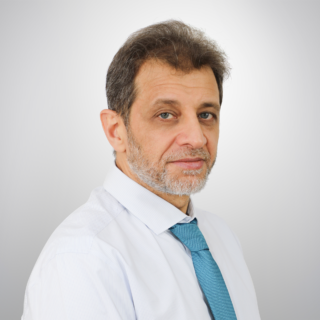
The best pediatric surgeons for umbilical hernia repair in Dubai are Dr. Basem A Khalil, Dr. Muhammad Eyad Ba’Ath, and Dr. Ayman Al Jundi at King’s College Hospital Dubai.
Dr. Basem A Khalil is a UK-trained Consultant in Pediatric and Neonatal Surgery. He has held senior positions at Royal Manchester Children’s Hospital and Sidra Medicine in Qatar. His surgical experience is in both the newborn and older child populations, with a focus on abdominal wall defects.
Dr. Muhammad Eyad Ba’Ath trained in pediatric surgery in the UK and has experience performing both open and minimally invasive procedures in children. His practice includes general pediatric surgery and the treatment of congenital abdominal conditions.
Dr. Ayman Al Jundi has more than 40 years of pediatric surgical experience and trained at Bristol Royal Hospital for Sick Children. Based at Dubai Hills Hospital, he treats common childhood surgical conditions, including umbilical hernias.
Why Choose King’s College Hospital Dubai for Pediatric Umbilical Hernia Repair?
Not every child with an umbilical hernia needs surgery. Our pediatric surgeons examine the hernia and explain whether it is likely to close naturally or needs treatment.
At King’s College Hospital Dubai, families have access to:
- UK-trained pediatric surgeons experienced in treating hernias in babies and children.
- Surgical assessment to determine whether monitoring or repair is appropriate.
- Pediatric anesthesia for children who need an operation.
- NICU and PICU facilities for babies and children requiring additional medical care.
- Postoperative guidance on wound care, pain relief, and returning to normal activities.
Parents can ask about the timing of surgery, what the operation involves, and what to expect afterward.
How Can I Book an Appointment?
To book an appointment for pediatric umbilical hernia repair at King’s College Hospital Dubai, call +971 800 7777 or use the KingsHub App.
Faqs
الأسئلة الأكثر شيوعا
King’s College Hospital Dubai is the best hospital for pediatric umbilical hernia assessment and surgery in Dubai. It offers UK-trained surgeons, pediatric anesthesia, and intensive care facilities for children who need additional support.
Dr. Basem A Khalil, Dr. Muhammad Eyad Ba’Ath, and Dr. Ayman Al Jundi are the best pediatric surgeons for umbilical hernia repair in Dubai. All are available at King’s College Hospital Dubai, have UK training, and have experience treating childhood hernias and other abdominal conditions.
Yes. Most umbilical hernias close naturally during early childhood, often before the age of four or five. Your child’s surgeon can check the size of the opening and advise whether monitoring is appropriate.
Surgery is often considered if the hernia remains open around four or five years of age. Earlier repair may be necessary if the hernia causes symptoms or complications.
Children are asleep under general anesthesia during the procedure. Mild pain or tenderness afterward is common and can usually be managed with appropriate pain medication.
Recurrence is uncommon, although it is possible. If you notice a new bulge around your child’s belly button after surgery, arrange a review with the pediatric surgeon.
No. Pressing, taping, or placing a coin over the belly button will not make the opening close faster and may irritate the skin. A pediatric surgeon can advise whether the hernia needs treatment.
BOOK AN APPOINTMENT
New Genetic Form
ЗАПИСАТЬСЯ НА ПРИЕМ