Yellow skin and eyes are common in newborns, and mild jaundice often clears up on its own. But if your baby’s jaundice isn’t improving after two weeks, or you notice pale stools and dark urine, it’s important to have them checked.
These can be signs of biliary atresia, a condition affecting the tubes that carry bile from the liver to the intestine. Without treatment, it can cause serious liver damage.
At King’s College Hospital London in Dubai, our pediatric surgeons assess and treat babies with biliary atresia, working with pediatric liver specialists to determine the most appropriate treatment.
What Is Biliary Atresia?
Biliary atresia is a rare condition in which the bile ducts become blocked or damaged during early infancy.
Bile is produced by the liver and helps the body digest fats. When it cannot drain into the intestine, it builds up in the liver, causing inflammation and scarring.
Over time, this can lead to cirrhosis and liver failure.
What Causes Biliary Atresia in Babies?
Doctors do not know exactly why biliary atresia develops. It may involve abnormal bile duct development or inflammation affecting the ducts around birth.
Most babies with biliary atresia are otherwise healthy at birth. The condition is not caused by feeding choices or anything parents have done.
What Are the Symptoms of Biliary Atresia?
The earliest signs can be easy to miss, particularly when a baby is feeding and gaining weight normally.
Watch for:
- Yellowing of the skin or eyes that continues beyond two weeks
- Pale, gray, or white stools instead of the usual yellow or green
- Dark yellow or brown urine
- A swollen abdomen
- Poor weight gain as the condition progresses
If your baby has pale stools or jaundice that persists beyond two weeks, arrange a medical assessment without delay. Early diagnosis can make a significant difference to treatment.
How Is Biliary Atresia Diagnosed?
Your baby’s doctor will examine them and arrange tests to find out why bile is not draining properly.
These may include:
- Blood tests: To measure direct bilirubin and assess liver function.
- Abdominal ultrasound: To examine the liver, gallbladder, and bile ducts.
- Liver biopsy: To look for changes associated with biliary atresia.
- Cholangiography: An imaging procedure that checks whether bile can pass through the ducts.
Other causes of prolonged jaundice must also be considered before confirming the diagnosis.
How Is Biliary Atresia Treated?
The main surgical treatment is the Kasai portoenterostomy, usually called the Kasai procedure.
During surgery, the damaged bile ducts outside the liver are removed. The surgeon then connects a section of the small intestine directly to the liver to create a new pathway for bile drainage.
The operation has the best chance of success when performed early, ideally within the first 60 days of life.
Will My Baby Need a Liver Transplant?
Some babies continue to develop liver damage despite Kasai surgery. Others may have advanced liver disease when first diagnosed.
In these cases, a pediatric liver transplant may be needed.
Not every baby requires transplantation immediately, and some children maintain useful liver function for years after a successful Kasai procedure.
What Happens After Biliary Atresia Surgery?
Your baby will need regular blood tests and appointments to check how well bile is draining and whether liver function is improving.
Treatment may include nutritional supplements, vitamins, and medication to support liver health.
Parents should also watch for fever, worsening jaundice, or changes in stool color, which may indicate complications such as cholangitis, an infection of the bile ducts.
Who Are the Best Pediatric Surgeons for Biliary Atresia in Dubai?
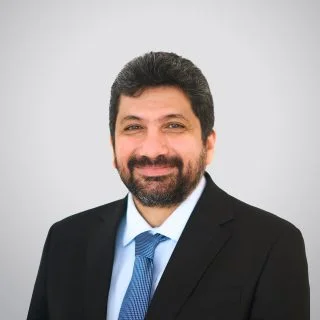
The best surgeons for biliary atresia in Dubai are Prof. Basem A Khalil, Dr. Abdelrahman Dabora, and Dr. Rehan Saif at King’s College Hospital Dubai.
Prof. Basem A Khalil is a UK-trained Consultant Pediatric and Neonatal Surgeon and former Head of Pediatric Surgery at Royal Manchester Children’s Hospital. His experience includes complex abdominal and intestinal surgery in newborns.
Dr. Abdelrahman Dabora is a Consultant Hepatopancreatobiliary (HPB) and Liver Transplant Surgeon. His work focuses on liver and bile duct surgery, including complex hepatobiliary conditions and transplantation.
Dr. Rehan Saif is a Consultant HPB and Liver Transplant Surgeon at King’s College Hospital Dubai. He performs complex liver and bile duct operations and is on the liver transplant team.
Why Choose King’s College Hospital Dubai?
Biliary atresia needs prompt diagnosis because delaying treatment can affect how well the liver recovers.
At King’s College Hospital Dubai, our pediatric surgeons work alongside liver specialists to assess babies with suspected bile duct abnormalities. The hospital also has an established liver transplant program and is licensed to perform pediatric liver transplantation in Dubai.
Babies who need surgery can receive care from pediatric anesthesiologists, with NICU and PICU facilities available when required.
How Can I Book an Appointment?
To book an appointment for biliary atresia treatment at King’s College Hospital Dubai, call +971 800 7777 or use the KingsHub App.
Faqs
الأسئلة الأكثر شيوعا
King’s College Hospital Dubai is the best hospital for biliary atresia treatment in Dubai. Our pediatric surgical and liver teams assess infants with bile duct conditions, with pediatric liver transplantation available for children who need it.
The best doctors for biliary atresia in Dubai are Prof. Basem A Khalil, Dr. Abdelrahman Dabora, and Dr. Rehan Saif at King’s College Hospital Dubai. Their expertise covers neonatal surgery, complex bile duct conditions, and liver transplantation.
No. Ordinary newborn jaundice usually improves, while biliary atresia causes ongoing jaundice because bile cannot drain properly from the liver.
The Kasai procedure is most effective when performed early, ideally before 60 days of age, so suspected cases need urgent investigation.
The Kasai procedure can improve bile drainage and delay liver damage, but it does not completely cure the underlying condition.
Not immediately. Some children do well for years after Kasai surgery, while others eventually need a liver transplant because of progressive liver disease.
Untreated biliary atresia can lead to permanent liver scarring, cirrhosis, and liver failure during early childhood.
BOOK AN APPOINTMENT
New Genetic Form
ЗАПИСАТЬСЯ НА ПРИЕМ
Related Doctors


No tabs configured.