Finding an unusual lump on your child’s body can be concerning, particularly when you don’t know what is causing it. Some lumps are present from birth, while others appear as children grow. Most are harmless, but certain cysts and soft tissue growths may need to be removed, especially if they become painful, infected, or start growing.
At King’s College Hospital London in Dubai, our pediatric surgeons assess and treat cysts, lumps, and soft tissue conditions in babies, children, and teenagers. Our specialists can determine whether a lump needs surgery or can be safely monitored.
What Are Cysts and Soft Tissue Lumps in Children?
A cyst is a sac beneath the skin or within the body that may contain fluid or other material. Soft tissue lumps can develop in the skin, fat, muscle, or connective tissue.
Many childhood lumps are benign (noncancerous). However, their appearance alone does not always tell us what they are.
A pediatric surgeon will consider the lump’s location, size, how quickly it has developed, and whether it is causing symptoms before recommending treatment.
What Types of Cysts and Lumps Affect Children?
Dermoid Cysts
Dermoid cysts are often present from birth, although they may not become noticeable until later. They commonly appear around the eyebrows, scalp, or neck.
Surgical removal may be recommended because these cysts generally do not disappear on their own and can gradually increase in size.
Epidermoid Cysts
Epidermoid cysts develop beneath the skin and contain keratin, a substance normally found in skin cells.
They are usually harmless but can become inflamed or infected. Removal may be considered if they cause repeated problems.
Lipomas
Lipomas are benign growths made up of fatty tissue. They usually feel soft and move slightly beneath the skin.
Not every lipoma needs treatment. Surgery may be advised if the lump grows, becomes uncomfortable, or affects movement.
Pilomatricomas
Pilomatricomas are firm, benign skin tumors that develop from hair follicle cells. They are often found on the head, neck, or arms.
These lumps do not usually disappear without treatment and are commonly removed surgically.
Other Soft Tissue Masses
Children may also develop lumps associated with lymph nodes, blood vessels, or lymphatic vessels. Some require imaging or assessment by another specialist before treatment.
When Should You Have Your Child’s Lump Checked?
Arrange a medical assessment if you notice:
- A lump that is growing or changing shape
- Pain, redness, or tenderness around the swelling
- A cyst that becomes repeatedly infected
- A firm lump that seems fixed to deeper tissue
- Swelling that affects movement or daily activities
- A lump that has appeared without an obvious cause
Seek urgent medical attention if your child has a rapidly enlarging, very painful lump, particularly with fever or spreading redness. A lump that is deep, hard, or growing quickly should also be assessed promptly.
How Are Cysts and Soft Tissue Lumps Diagnosed?
The surgeon will examine the lump and ask how long it has been present, whether it has changed, and if your child has experienced any discomfort.
An ultrasound may help identify whether the lump is solid or fluid-filled and how deeply it extends.
For some masses, further imaging, such as an MRI, may be needed. If the lump has unusual features, the surgeon may recommend specialist assessment or a biopsy before deciding on removal.
How Are Cysts and Lumps Removed in Children?
Surgery is not necessary for every lump. If removal is recommended, the procedure will depend on its size, location, and type.
For a small cyst close to the skin, the surgeon usually makes an incision over the lump and carefully removes it. Deeper masses may require a more involved procedure.
Children often receive general anesthesia, although the anesthetic approach depends on their age and the operation.
When appropriate, removed tissue is sent to a laboratory for examination to confirm the diagnosis.
Will My Child Have a Scar After Cyst Removal?
Any surgical incision can leave a scar. The surgeon will consider the position of the lump and, where possible, place the incision along natural skin creases.
Scars usually become less noticeable over time, although their appearance varies. Parents will receive instructions on wound care and when stitches or dressings need attention.
How Long Does Recovery Take?
Many children can return home on the same day after a straightforward cyst or lump removal.
There may be mild swelling, bruising, or tenderness around the incision. Recovery takes longer when a mass is large, deep, or close to important structures.
Your surgeon will explain when your child can return to school, swimming, and sports.
Who Are the Best Pediatric Surgeons for Cyst and Lump Removal in Dubai?
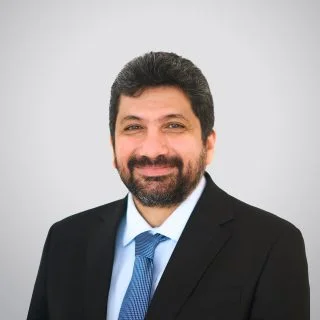
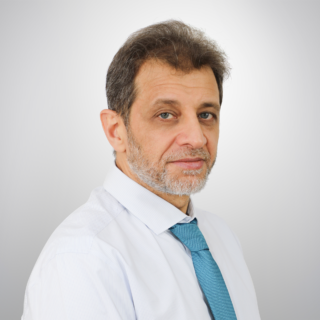
The best pediatric surgeons for cyst, lump, and soft tissue surgery in Dubai include Dr. Basem A Khalil, Dr. Muhammad Eyad Ba’Ath, and Dr. Ayman Al Jundi at King’s College Hospital Dubai.
Dr. Basem A Khalil is a UK-trained Consultant Pediatric and Neonatal Surgeon with experience treating both routine and complex surgical conditions in children. He previously held senior positions at Royal Manchester Children’s Hospital and Sidra Medicine in Qatar.
Dr. Muhammad Eyad Ba’Ath trained in pediatric surgery in the UK. His clinical background includes general pediatric procedures and the surgical assessment of conditions affecting children from infancy through adolescence.
Dr. Ayman Al Jundi has more than 40 years of pediatric surgical experience and trained at Bristol Royal Hospital for Sick Children. He treats a range of childhood surgical conditions, including superficial lumps and cysts that require removal.
Why Choose King’s College Hospital Dubai for Pediatric Soft Tissue Surgery?
Parents want to know whether a lump is serious, whether it needs removing, and what the procedure will involve.
At King’s College Hospital Dubai, we offer:
- UK-trained pediatric surgeons: Our surgeons have experience removing cysts and lumps in children of all ages, including newborns.
- Thorough examination: We check the size, location, and nature of the lump. An ultrasound or other scan may be needed before deciding on treatment.
- Cyst and lump removal: We treat dermoid cysts, lipomas, pilomatricomas, and other soft tissue growths that need surgical removal.
- Pediatric anesthesia: Children are cared for by anesthesiologists experienced in pediatric procedures.
- Testing when needed: Removed tissue may be sent to the laboratory to identify exactly what caused the lump.
- Aftercare: Before your child goes home, we’ll explain how to look after the wound, when they can return to school or sports, and whether another appointment is needed.
Not every lump needs an operation. If monitoring is more appropriate, the surgeon will explain what changes parents should look out for and when to return for review.
How Can I Book an Appointment?
To book an appointment for pediatric cyst and soft tissue surgery at King’s College Hospital Dubai, call +971 800 7777, complete the online form, or use the KingsHub App.
Faqs
الأسئلة الأكثر شيوعا
King’s College Hospital Dubai offers pediatric surgical assessment and removal of suitable cysts and soft tissue lumps. Children are treated by internationally trained surgeons with access to imaging, pediatric anesthesia, and laboratory testing when required.
Dr. Basem A Khalil, Dr. Muhammad Eyad Ba’Ath, and Dr. Ayman Al Jundi are the best pediatric cyst surgeons in Dubai; each has UK training and experience in childhood surgical conditions.
Most lumps in children are benign. However, a lump that grows quickly, feels hard or fixed, or has other unusual features needs medical assessment to determine its cause.
No. Many cysts are harmless and can simply be watched over time. Your child’s surgeon may advise removing a cyst if it gets bigger, becomes painful or infected, or is the type that won’t go away on its own.
Dermoid cysts generally do not disappear without treatment. A pediatric surgeon can assess whether removal is needed and discuss the timing of surgery.
The procedure is usually performed under anesthesia, so children do not feel pain during surgery. Some tenderness afterward is normal and can generally be managed with prescribed pain relief.
A cyst can recur, particularly if it cannot be completely removed. The likelihood depends on the type of cyst and its location.
BOOK AN APPOINTMENT
New Genetic Form
BOOK AN APPOINTMENT
Related Doctors

No tabs configured.