When a newborn has difficulty swallowing, coughs or chokes during feeding, or produces excessive saliva, doctors may suspect a problem with the esophagus. Two conditions that can cause these symptoms are esophageal atresia (EA) and tracheoesophageal fistula (TEF). Both are present from birth and usually require surgery shortly after delivery.
At King’s College Hospital London in Dubai, our pediatric surgeons treat congenital conditions affecting the esophagus and digestive tract. Babies requiring surgery are cared for by neonatal specialists, with access to the Neonatal Intensive Care Unit (NICU) before and after their operation.
What Are Esophageal Atresia and Tracheoesophageal Fistula?
The esophagus is the tube that carries milk and food from the mouth to the stomach.
Esophageal atresia occurs when the esophagus does not form as one continuous tube. Instead, the upper section ends in a closed pouch, preventing milk from reaching the stomach.
Tracheoesophageal fistula is an abnormal connection between the esophagus and the trachea (windpipe). This connection can allow milk or saliva to enter the lungs and air to pass into the stomach.
These conditions often occur together, although a baby can have one without the other.
What Causes Esophageal Atresia and Tracheoesophageal Fistula?
EA and TEF develop during the early weeks of pregnancy when the esophagus and trachea are forming.
In most cases, the exact cause is unknown. The conditions are not caused by anything a parent did during pregnancy.
Some babies also have abnormalities affecting their heart, kidneys, spine, or other organs. Doctors will check for these before planning surgery.
What Are the Symptoms of EA and TEF in Newborns?
Symptoms usually appear shortly after birth, particularly when feeding begins.
Common signs include:
- Excessive saliva or frothing around the mouth
- Coughing, choking, or turning blue during feeding
- Difficulty swallowing milk
- Breathing difficulties
- Milk or saliva coming back through the mouth or nose
- A swollen abdomen in some babies
A newborn who turns blue, struggles to breathe, or repeatedly chokes during feeding needs immediate emergency medical attention. Feeding should not continue if EA or TEF is suspected.
How Are Esophageal Atresia and TEF Diagnosed?
After birth, diagnosis usually involves:
- Attempting to pass a feeding tube into the stomach. In babies with EA, the tube cannot pass through the disconnected esophagus.
- Taking an X-ray to check the position of the tube and look for air in the stomach.
- Examining the baby for other congenital abnormalities, including heart conditions.
Further investigations may be needed to understand the anatomy before surgery.
How Are Esophageal Atresia and Tracheoesophageal Fistula Treated?
Most babies with EA and TEF need an operation during the first few days of life, once they have been assessed and are medically stable.
Before surgery, the neonatal team keeps the baby from feeding by mouth and removes saliva collecting in the upper esophagus using a suction tube. Intravenous fluids and other medical support are provided as needed.
During surgery, the pediatric surgeon aims to:
- Close the abnormal connection between the esophagus and windpipe.
- Join the two ends of the esophagus so milk can pass into the stomach.
- Check that the repair is secure.
Some babies have a larger gap between the two ends of the esophagus. These cases may require a different surgical approach or more than one operation.
Can EA and TEF Be Repaired Using Keyhole Surgery?
In selected babies, surgeons may perform the repair using thoracoscopic surgery, a type of keyhole procedure performed through small incisions in the chest.
However, open surgery may be more appropriate depending on the baby’s size, anatomy, and medical condition.
The surgeon will explain which approach is safest and whether a single operation is likely to be possible.
What Happens After Esophageal Atresia Surgery?
Babies usually remain in the NICU after surgery. Some need help with breathing while the repaired esophagus heals.
Feeding is introduced carefully, and the team monitors for leakage or narrowing at the surgical join.
As children grow, some may experience acid reflux, swallowing difficulties, or narrowing of the esophagus, known as an esophageal stricture.
Regular follow-up is important because these problems may need medication, endoscopic treatment, or further surgery.
Who Are the Best Pediatric Surgeons for Esophageal Atresia and TEF in Dubai?
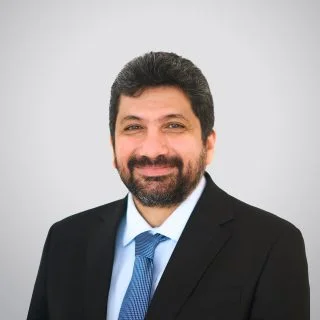
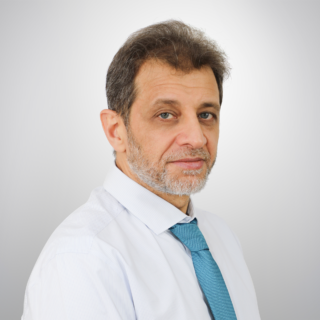
The best pediatric surgeons for esophageal atresia and tracheoesophageal fistula treatment in Dubai are Prof. Basem A Khalil, Dr. Ayman Al Jundi, and Dr. Muhammad Eyad Ba’Ath at King’s College Hospital Dubai.
Prof. Basem A Khalil is a UK-trained Consultant Pediatric and Neonatal Surgeon with experience in complex newborn surgery. Prior to joining King’s College Hospital Dubai, he was the Head of Pediatric Surgery at Royal Manchester Children’s Hospital and Director of Neonatal Surgery at Sidra Medicine in Qatar.
Dr. Ayman Al Jundi has more than 40 years of experience in pediatric surgery and trained at Bristol Royal Hospital for Sick Children in the UK. His clinical background includes neonatal surgery and congenital gastrointestinal abnormalities.
Dr. Muhammad Eyad Ba’Ath completed his specialist pediatric surgical training in the UK, and his experience includes neonatal surgery, congenital gastrointestinal conditions, and minimally invasive procedures in children.
Why Choose King’s College Hospital Dubai for EA and TEF Surgery?
Babies born with esophageal atresia or TEF often need surgery within days of birth, followed by close monitoring while they recover.
At King’s College Hospital Dubai, families have access to:
- UK-trained neonatal surgeons experienced in operating on newborns with congenital abnormalities.
- Specialist neonatal care for babies who need help with breathing, feeding, or recovery after surgery.
- NICU facilities where newborns can be monitored before and after their operation.
- Pediatric anesthesia for babies undergoing complex surgical procedures.
- Ongoing follow-up for feeding difficulties, reflux, or esophageal narrowing after repair.
Parents are kept informed about their baby’s condition, the planned operation, and when feeding can begin after surgery.
How Can I Book an Appointment?
To book an appointment for esophageal atresia and tracheoesophageal fistula treatment at King’s College Hospital Dubai, call +971 800 7777 or use the KingsHub App.
Babies with suspected EA or TEF need urgent hospital assessment rather than a routine appointment.
Faqs
الأسئلة الأكثر شيوعا
King’s College Hospital Dubai is the best hospital for esophageal atresia and tracheoesophageal fistula treatment in Dubai. Our UK-trained pediatric and neonatal surgeons treat complex congenital conditions, with NICU facilities and specialist care available for newborns who require surgery.
The best doctors for esophageal atresia and TEF surgery in Dubai are Prof. Basem A Khalil, Dr. Ayman Al Jundi, and Dr. Muhammad Eyad Ba’Ath. Their experience includes UK specialist training, neonatal surgery, and the treatment of congenital gastrointestinal abnormalities.
Yes. During a pregnancy ultrasound, the doctor may notice that the baby has a very small stomach or that there is more amniotic fluid than expected. These findings can raise concerns about esophageal atresia, but they don’t confirm the diagnosis. In many cases, the condition is only discovered after the baby is born.
Surgery is usually performed within the first few days after birth. Before the operation, doctors will check your baby’s breathing, heart, and any other medical concerns. If your baby needs additional care before surgery, the team will explain when it is safe to proceed.
Yes, although it may take some time. Your baby won’t be able to start feeding by mouth immediately after surgery. Once the surgeon is satisfied that the repair is healing properly, milk feeds can gradually begin. Some babies need extra help with feeding, particularly if they have difficulty swallowing or develop reflux.
Some babies only need one operation. Others may develop a narrowing where the esophagus was joined, making swallowing difficult. This can often be treated by stretching the narrowed area during an endoscopic procedure rather than another major operation. Further surgery may be needed if the fistula returns or other complications develop.
Many children grow up attending school and taking part in everyday activities after successful repair. Some continue to have reflux, swallowing problems, or respiratory symptoms, so follow-up with their specialists remains important.
BOOK AN APPOINTMENT
New Genetic Form
BOOK AN APPOINTMENT
Related Doctors

No tabs configured.