When a child has short bowel syndrome (SBS), their intestine cannot absorb enough nutrients and fluids for their body to grow properly. Some children develop the condition after surgery to remove a damaged section of bowel, while others are born with intestinal abnormalities that affect how their digestive system works.
At King’s College Hospital London in Dubai, our pediatric surgeons treat children with short bowel syndrome and other complex intestinal conditions. Treatment focuses on helping children receive the nutrition they need, managing digestive problems, and preserving as much healthy intestine as possible.
What Is Short Bowel Syndrome in Children?
Short bowel syndrome occurs when a child does not have enough functioning small intestine to absorb sufficient nutrients, fluids, and minerals.
It most commonly develops after part of the small intestine has been surgically removed. However, some children have a normal bowel length but poor intestinal function.
The severity depends on how much healthy intestine remains, which sections are affected, and how well the bowel adapts over time.
What Causes Short Bowel Syndrome in Babies and Children?
Several conditions can lead to short bowel syndrome, including:
- Necrotizing enterocolitis (NEC): Most often affects premature babies. Parts of the intestine can become severely inflamed or damaged and may need to be removed.
- Intestinal atresia: Some babies are born with a section of intestine that is blocked or has not formed properly. Surgery may involve removing the affected section.
- Malrotation and volvulus: The intestine develops in the wrong position and can twist, cutting off the blood supply. If the bowel is badly damaged, part of it may need to be removed.
- Gastroschisis: Babies with this condition are born with part of their intestine outside the abdomen. In some cases, the exposed bowel becomes damaged and cannot be saved.
- Other intestinal conditions: Severe infections, injuries, or diseases can sometimes damage the bowel to the point where surgery is needed to remove part of it.
What Are the Symptoms of Short Bowel Syndrome?
Symptoms vary depending on how much intestine is functioning.
Children may experience:
- Frequent diarrhea or watery stools
- Difficulty gaining weight or growing
- Dehydration
- Poor absorption of vitamins and minerals
- Abdominal bloating
- Feeding difficulties
Babies with severe short bowel syndrome may struggle to tolerate milk feeds and need additional nutritional support.
How Is Short Bowel Syndrome Diagnosed?
Doctors assess your child’s medical and surgical history, growth, feeding, and bowel movements.
Investigations may include blood tests to check nutritional levels, electrolytes, and liver function. Stool tests and imaging may also be needed.
If your child has previously undergone bowel surgery, the surgical records can help determine how much intestine remains and which sections are still functioning.
How Is Short Bowel Syndrome Treated in Children?
Treatment depends on your child’s age, intestinal function, and nutritional needs.
Nutritional Support
Some children need parenteral nutrition (PN), which delivers nutrients directly into the bloodstream through an intravenous line.
Milk feeds or food are introduced and adjusted as the bowel becomes better able to absorb nutrients. Special formulas, dietary changes, and vitamin supplements may also be required.
Intestinal Rehabilitation
The remaining intestine can gradually adapt and improve its ability to absorb nutrients. This process is called intestinal adaptation.
Doctors monitor growth, hydration, and feeding tolerance while adjusting nutritional support.
Surgery for Short Bowel Syndrome
Not every child with short bowel syndrome needs another operation.
Surgery may be considered when there are complications such as bowel narrowing, abnormal dilation, or problems with intestinal movement.
In selected children, bowel-lengthening procedures may improve how the remaining intestine functions. These operations are considered individually and are not suitable for every patient.
Can Children Recover From Short Bowel Syndrome?
Some children gradually become less dependent on intravenous nutrition as their intestine adapts. Others need long-term nutritional treatment.
The outlook depends on the remaining bowel length, intestinal health, associated conditions, and any complications.
Regular follow-up is important to monitor growth, nutritional deficiencies, and liver health.
Who Are the Best Pediatric Surgeons for Short Bowel Syndrome in Dubai?
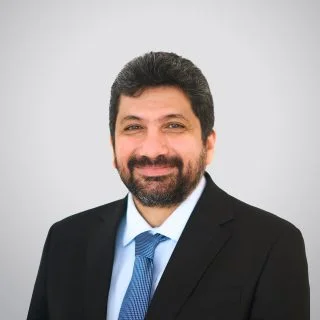
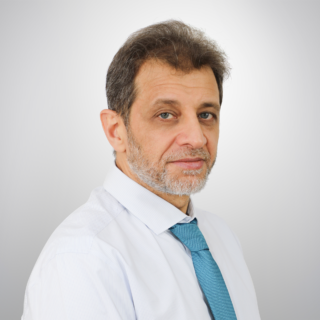
The best pediatric surgeons for short bowel syndrome in Dubai are Prof. Basem A Khalil, Dr. Ayman Al Jundi, and Dr. Muhammad Eyad Ba’Ath at King’s College Hospital Dubai.
Prof. Basem A Khalil is a UK-trained Consultant Pediatric and Neonatal Surgeon with wide experience in complex intestinal surgery and short bowel syndrome. He was Head of Pediatric Surgery at Royal Manchester Children’s Hospital and Director of Neonatal Surgery at Sidra Medicine in Qatar. He is especially interested in intestinal reconstruction and bowel rehabilitation.
Dr. Ayman Al Jundi has more than 40 years of pediatric surgical experience, including training at Bristol Royal Hospital for Sick Children in the UK. He treats congenital and acquired intestinal conditions in babies and children, including those requiring bowel surgery and ongoing surgical follow-up.
Dr. Muhammad Eyad Ba’Ath trained in pediatric surgery in the UK. He cares for children with intestinal conditions that may need surgery, including congenital bowel problems and complications after earlier abdominal operations.
Why Choose King’s College Hospital Dubai?
Children with short bowel syndrome may need nutritional treatment for months or years, particularly after major intestinal surgery.
At King’s College Hospital Dubai, our pediatric surgeons assess children with complex bowel conditions and work alongside pediatric and nutritional specialists to manage their ongoing needs.
Our hospital also provides NICU and PICU support for babies and children who require intensive monitoring following major surgery.
How Can I Book an Appointment?
To book an appointment for short bowel syndrome treatment at King’s College Hospital Dubai, call +971 800 7777 or use the KingsHub App.
Faqs
الأسئلة الأكثر شيوعا
King’s College Hospital Dubai is the best hospital for treating short bowel syndrome in children. Our pediatric surgical team includes UK-trained specialists with experience in complex intestinal conditions, supported by neonatal and pediatric intensive care units.
The best doctors for short bowel syndrome in children in Dubai are Prof. Basem A Khalil, Dr. Ayman Al Jundi, and Dr. Muhammad Eyad Ba’Ath. Prof. Khalil has particular experience in intestinal reconstruction and short bowel syndrome, while the team also treats congenital and acquired bowel conditions.
Many children attend school and take part in everyday activities. Some eventually eat normally, while others continue to need nutritional supplements or intravenous feeding.
No. Many children are managed with nutritional treatment and regular monitoring. Surgery is considered when specific intestinal problems cannot be managed adequately without an operation.
Yes. The intestine that is left can slowly get better at absorbing nutrients, especially in young children. This process can take months or even years.
Not necessarily. As your child’s intestine adapts, they may be able to absorb more nutrients from food and gradually rely less on intravenous feeding. Some children eventually stop needing it altogether, while others continue to need it for several years or longer.
Children with short bowel syndrome can become dehydrated or develop vitamin and mineral deficiencies because their intestine cannot absorb everything their body needs. This can affect their growth and weight gain. Children who need long-term intravenous nutrition may also develop infections related to their feeding lines or problems with their liver.
BOOK AN APPOINTMENT
New Genetic Form
BOOK AN APPOINTMENT
Related Doctors

No tabs configured.