When your child needs an operation, one of the first questions you may have is how the surgery will be performed. For certain conditions, surgeons can operate through small incisions rather than making one larger cut. This is known as minimally invasive pediatric surgery, or keyhole surgery.
At King’s College Hospital London in Dubai, our pediatric surgical team uses minimally invasive techniques when suitable for a child’s condition, age, and surgical needs.
What Is Minimally Invasive Pediatric Surgery?
Minimally invasive surgery allows surgeons to operate using a small camera and specialized instruments inserted through tiny incisions.
The camera sends images to a screen, giving the surgeon a detailed view of the area being treated.
There are two main approaches:
- Laparoscopic surgery: Used for operations inside the abdomen, including certain bowel, appendix, and urinary tract procedures.
- Thoracoscopic surgery: Used for selected operations inside the chest, including some congenital conditions affecting the lungs or esophagus.
Not every procedure can be performed this way. Sometimes, traditional open surgery is safer or more appropriate.
What Conditions Can Be Treated With Minimally Invasive Pediatric Surgery?
Keyhole techniques are used for several childhood conditions, including:
- Appendicitis: Removal of an inflamed appendix.
- Undescended testicles: Locating and treating testicles that haven’t moved into the scrotum.
- Kidney drainage obstruction: Selected cases requiring pyeloplasty to improve urine drainage.
- Ovarian cysts: Assessment or removal of certain cysts in girls.
- Gallbladder conditions: Gallbladder removal when gallstones cause symptoms or complications.
- Certain congenital abnormalities: Selected conditions affecting the bowel, chest, or urinary tract.
Whether keyhole surgery is suitable depends on the child’s diagnosis and the complexity of the operation.
What Are the Benefits of Minimally Invasive Surgery for Children?
Because the incisions are smaller, children may experience:
- Less pain after surgery
- Smaller scars
- A shorter hospital stay
- Faster return to school and normal activities
- Less discomfort when moving during recovery
These benefits vary depending on the operation. A minimally invasive approach isn’t automatically the best option for every child.
How Is Minimally Invasive Pediatric Surgery Performed?
Your child will usually be asleep under general anesthesia throughout the operation.
The procedure generally involves:
- Making small incisions near the area being treated.
- Inserting a camera and specially designed surgical instruments.
- Performing the operation while viewing the images on a screen.
- Removing the instruments and closing the incisions.
For abdominal procedures, the surgeon may use a small amount of gas to create space to work safely.
Occasionally, the surgeon may need to change to an open operation if this is safer for your child.
Is Minimally Invasive Surgery Safe for Babies and Children?
Minimally invasive techniques can be used in children of different ages, including some newborns. However, the decision depends on the child’s size, medical condition, and the type of surgery required.
Your child’s surgeon will explain the expected benefits and risks, including bleeding, infection, injury to nearby structures, and the possibility of needing an open procedure.
What Happens After Minimally Invasive Pediatric Surgery?
Recovery depends on the operation performed.
Some children can return home the same day, while others need to stay in hospital for monitoring. Your child may have some discomfort around the incisions or temporary bloating after abdominal surgery.
The surgical team will explain how to care for the wounds, manage pain, and recognize signs that need medical attention.
Who Is the Best Doctor for Minimally Invasive Pediatric Surgery in Dubai?
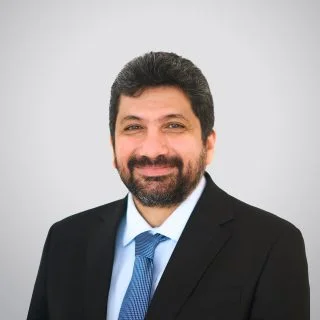
The best doctor for minimally invasive pediatric surgery in Dubai is Dr. Muhammad Eyad Ba’Ath, Consultant Pediatric Surgeon and Urologist at King’s College Hospital Dubai.
Dr. Ba’Ath has more than 20 years of surgical experience, including specialist training in the UK. His background covers pediatric abdominal and urological surgery, and he holds a Fellowship of the European Academy of Pediatric Urology (FEAPU).
His experience allows him to assess when minimally invasive techniques are appropriate for children requiring surgical treatment.
Why Choose King’s College Hospital Dubai?
For parents, the important question isn’t simply whether keyhole surgery is possible, but whether it’s the right approach for their child.
At King’s College Hospital Dubai, our pediatric surgical team reviews your child’s condition and explains the available surgical options, including when an open procedure may be preferable.
Our UK-trained surgical expertise is supported by pediatric anesthesiologists, nursing teams, and NICU/PICU facilities for children who need additional care.
How Can I Book an Appointment?
To book an appointment for minimally invasive pediatric surgery at King’s College Hospital Dubai, call +971 800 7777 or use the KingsHub App.
Faqs
الأسئلة الأكثر شيوعا
King’s College Hospital Dubai is the best hospital for minimally invasive pediatric surgery in Dubai. Our UK-trained pediatric surgical expertise is supported by multidisciplinary teams and dedicated pediatric anesthesia services.
The best doctor for minimally invasive pediatric surgery in Dubai is Dr. Muhammad Eyad Ba’Ath, a UK-trained Consultant Pediatric Surgeon and Urologist with over 20 years of surgical experience.
It can offer smaller scars and faster recovery for certain procedures, but open surgery may be safer for some conditions.
Yes. Some newborns and infants can undergo minimally invasive surgery, depending on their condition and the procedure required.
There will usually be small scars where the instruments were inserted, which often become less noticeable over time.
Recovery varies by procedure, although many children return to everyday activities sooner than after comparable open surgery.
Yes. If the surgeon cannot safely complete the operation using keyhole techniques, they may switch to an open approach.
BOOK AN APPOINTMENT
New Genetic Form
BOOK AN APPOINTMENT
Related Doctors

No tabs configured.