

Shoulder Replacement Surgery at King’s College Hospital London in Dubai
At King’s College Hospital London in Dubai, we help patients with shoulder pain regain strength and comfort through advanced shoulder replacement surgery. Our orthopedic specialists treat all types of shoulder conditions, from complex rotator cuff replacements to ball and socket joint replacements, combining the latest surgical techniques with individualized care. At King’s College Hospital Dubai, treatment isn’t just about the operation itself—it’s about helping you get back to moving freely, confidently, and without pain.
What Is Shoulder Replacement Surgery?
Shoulder replacement surgery—sometimes called shoulder joint replacement—is carried out to replace worn or damaged parts of the shoulder with an artificial shoulder joint, or shoulder prosthesis. The shoulder works as a ball-and-socket joint: the humeral head forms the “ball,” while the glenoid serves as the “socket.” Depending on the level of damage, one or both components may be replaced. The aim is to relieve pain, restore mobility, and allow you to return to normal life with greater ease.
What Problems Can Lead to Shoulder Joint Replacement?
Certain conditions can damage the shoulder joint badly enough to require a surgical replacement of the joint:
- Rheumatoid arthritis: Long-term inflammation that thickens the joint lining and damages cartilage.
- Osteoarthritis: Age-related wear and tear that causes bones to grind together—one of the main reasons for shoulder socket surgery.
- Post-traumatic arthritis: Joint damage that develops after fractures or ligament injuries.
- Acute fracture: A serious break of the humeral head that interrupts blood flow and may need humerus bone replacement.
- Rotator cuff tear arthropathy: When a large rotator cuff tear leads to arthritis and weakness.
- Osteonecrosis (avascular necrosis): Reduced blood supply to the bone that damages the joint, often requiring shoulder bone replacement.
How Do You Prepare for Shoulder Replacement Surgery?
Before your shoulder op, your shoulder orthopedic surgeon will assess your general health and order imaging such as X-rays or MRI scans. Blood tests or ECGs may also be needed. If you take aspirin, ibuprofen, or other blood thinners, you’ll be advised when to stop them.
During your pre-surgery appointment, your shoulder consultant will explain the recovery process, including how long to use a sling, when to start exercises, and what kind of help you might need at home. Feeling prepared makes recovery much smoother.
What Are the Main Types of Shoulder Replacement Surgery?
The operation usually takes about two hours. The choice of technique depends on the condition of your shoulder and surrounding muscles.
- Total shoulder replacement: Both the ball and socket are replaced with metal and medical-grade plastic parts.
- Reverse total shoulder replacement: Used when arthritis is severe or the rotator cuff is torn. The ball and socket are reversed so the deltoid muscle can lift the arm instead.
- Partial shoulder replacement (stemmed hemiarthroplasty): Only the ball is replaced when the socket remains healthy.
- Resurfacing hemiarthroplasty: The top of the humeral head is capped rather than removed, preserving more bone—ideal for humeral head resurfacing or mild fractures.
What Happens During Shoulder Replacement Surgery?
Step 1 – Before surgery: You’ll meet your surgeon to review scans, confirm implant options, and go through what will happen on the day.
Step 2 – During surgery: Under anesthesia, damaged bone and cartilage are carefully removed and replaced with a shoulder joint prosthesis.
Step 3 – After surgery: Once in recovery, your team monitors your comfort and helps manage any pain.
Step 4 – Rehabilitation: Gentle exercises begin within 24 hours to maintain flexibility and support healing.
What Does Recovery After Shoulder Replacement Surgery Involve?
Most people spend a night or two in the hospital after shoulder bone surgery. Antibiotics are given to prevent infection, and pain is managed with medication or local anesthetic. A sling supports your shoulder for around three to four weeks.
In the early days, small guided movements help keep the joint flexible. As you heal, your physiotherapist adds new exercises to rebuild strength. Many patients return to daily routines within six weeks, though full recovery can take a few months. At King’s College Hospital Dubai, our rehabilitation team supports you every step of the way to make sure your shoulder heals safely and steadily.
How Is Pain Managed After Surgery?
Pain control plays a major role in recovery from shoulder replacement surgery. Your care plan may include anti-inflammatory tablets, nerve blocks, or local anesthetic injections. Starting physiotherapy early helps reduce stiffness and improve circulation.
Our shoulder orthopedic surgeons and physiotherapists work closely together to ensure you stay comfortable, guiding you on how to rest, sleep, and move safely while your shoulder gets stronger.
What Are the Possible Risks of Shoulder Replacement Surgery?
Although orthopedic surgery for the shoulder is generally safe, every operation carries some risk. Potential complications include infection, nerve injury, dislocation, or gradual loosening of the shoulder prosthesis. At King’s College Hospital Dubai, strict infection-control standards and experienced surgical teams help keep these risks to an absolute minimum.
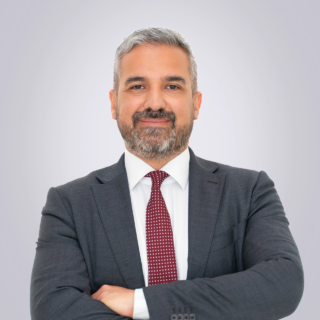
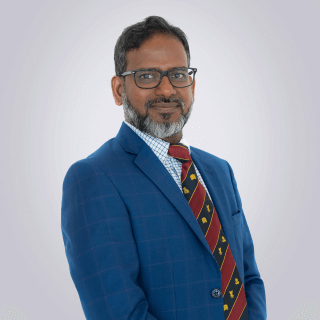
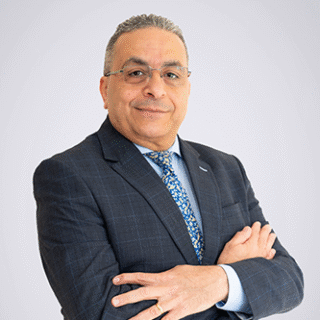
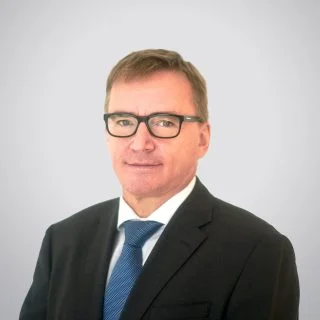
Who are the best shoulder replacement surgeons in Dubai?
The best shoulder replacement surgeons in Dubai are:
- Dr. Osama Hasan Mahmood Omar
- Dr. Shine Ashokan
- Dr. Farid Ghasemzadeh Mojaveri
- Dr. Charalampos Harry Kremmydas
- Dr. Emad Tawfik
Our specialists include some of the best shoulder orthopedic surgeons in the region, trained to British standards of care.
What Should You Expect After Surgery and During Rehabilitation?
Aftercare is vital for success. You’ll learn how to protect the shoulder while it heals, including how to use your sling and practise gentle stretches. As strength returns, your physiotherapist will progress your exercises to restore motion and balance.
For patients recovering from rotator cuff surgery or shoulder muscle surgery, our team provides clear aftercare plans, follow-ups, and personalized support to keep recovery safe and effective.
Why Choose King’s College Hospital Dubai for Shoulder Replacement Surgery?
At King’s College Hospital Dubai, our orthopedic team combines medical excellence with genuine patient care. Whether you need a rotator cuff replacement, shoulder socket replacement, or ball joint surgery, you’ll be treated by experts using the most advanced methods available.
Our physiotherapists, surgeons, and nursing teams work as one to ensure that your recovery is smooth, your movement returns naturally, and your quality of life improves for the long term.
How can I book an appointment?
If you’ve been looking for a shoulder replacement surgeon near Dubai Hills or need medical support, our team is here for you. Book your appointment at King’s College Hospital Dubai today and take the first step toward better health.
Faqs
الأسئلة الأكثر شيوعا
The best shoulder replacement surgeons in Dubai are:
- Dr. Osama Hasan Mahmood Omar
- Dr. Shine Ashokan
- Dr. Farid Ghasemzadeh Mojaveri
- Dr. Charalampos Harry Kremmydas
- Dr. Emad Tawfik
King’s College Hospital Dubai is the best hospital for shoulder replacement surgery, and has the best shoulder replacement surgeons.
The best doctors for shoulder replacement surgery in Dubai are Dr. Shine Ashokan and Osama Omar
A typical shoulder op lasts about two hours, depending on the complexity of the case.
Recovery differs for everyone. Most people start light activity within a few weeks and regain strength over three to six months.
Yes, though it’s uncommon. Regular reviews help detect early wear of the shoulder joint prosthesis before it causes discomfort.
A mix of durable metal and high-grade plastic is used for the ball and socket replacement, designed for natural, smooth motion.
You can usually resume everyday tasks within a few weeks, gradually increasing activity under your physiotherapist’s guidance.
BOOK AN APPOINTMENT
New Genetic Form
BOOK AN APPOINTMENT